October 20, 2026
General Dentist Advice for a Brighter, Healthier Smile
By @lanexhcc379

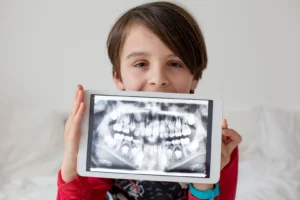
A bright smile gets attention, but a healthy smile keeps its value. Patients often arrive asking about whitening, stain removal, or how to make their teeth look better in photos. Those concerns are understandable. Still, the best cosmetic result usually starts with the kind of basic, steady care a General Dentist talks about every day: controlling plaque, protecting enamel, keeping gums firm and pink, and catching small problems before they turn into expensive ones.
That might sound less exciting than a whitening kit or a dramatic before-and-after photo, but it is the part that holds up over time. Teeth that are clean but sensitive, white but decayed, or straight but surrounded by inflamed gums are not really in good shape. The smile most people want, bright, comfortable, fresh-looking, and easy to maintain, is usually built on a handful of habits done consistently and a professional eye that spots trouble early.
Brightness starts with health, not bleach
One of the most common misconceptions in dentistry is that brighter always means whiter. In practice, brighter often means cleaner, smoother, and healthier. When plaque and tartar sit on the teeth, they trap stain and dull the surface. Inflamed gums make even naturally attractive teeth look less appealing. Dry mouth leaves the enamel looking flat. Tiny chips and rough areas collect pigment from coffee, tea, red wine, curry, and tobacco. Sometimes a patient thinks they need whitening when what they really need is a thorough cleaning, polishing, and better home care.
I have seen this many times in practice. A patient comes in certain that their teeth have turned hopelessly yellow. After a careful cleaning and a conversation about brushing pressure, acidic drinks, and stain habits, their smile already looks noticeably better before any cosmetic treatment begins. It is not magic. Light reflects better from a clean, smooth tooth surface. Healthy gum tissue frames the teeth more attractively. Fresh breath and comfort add to the effect, even if they are not visible in a mirror.
That is why a General Dentist usually begins with an exam and cleaning rather than jumping straight to whitening products. Not every stain responds the same way, and not every mouth is a good candidate for bleaching at a given moment. If the gums are irritated, if there are untreated cavities, or if sensitivity is already a problem, it makes sense to stabilize the basics first.
The daily habits that matter more than people think
Most people know they should brush and floss, but the details matter. Technique often matters more than force. Many adults brush too hard, use a brush with worn-out bristles, or rush through the process with good intentions and poor results. Aggressive brushing does not create cleaner teeth. More often, it creates gum recession, abrasion near the gumline, and sensitivity to cold.
A soft-bristled toothbrush, two minutes twice a day, and a gentle angle toward the gumline will outperform a harsh scrub almost every time. If you use an electric toothbrush, let the brush head do the work. Pressing hard defeats the design and can wear surfaces over time. Fluoride toothpaste remains a practical cornerstone because it helps remineralize early weak spots in enamel and lowers cavity risk. Patients sometimes chase trendy alternatives and then wonder why sensitivity or decay increases. If you are cavity-prone, dry-mouthed, or wearing orthodontic appliances, this is especially important.
Cleaning between the teeth deserves more attention than it gets. Cavities and gum inflammation often begin where the brush does not reach well. Traditional floss works well when used properly, but floss picks, interdental brushes, or a water flosser may be more realistic for some people. The best method is the one you will actually use every day and use well. A General Dentist can tell quickly which areas you are missing, and that kind of specific feedback is worth more than generic advice.
Diet also leaves fingerprints on the smile. It is not only about sugar quantity. Frequency matters. Sipping soda, sweet tea, sports drinks, or even fruit juice all afternoon keeps the mouth in a repeated acid attack. Constant snacking does something similar. Saliva needs time to buffer acids and help the enamel recover. People who tell me, “I do not eat much sugar,” sometimes still have a pattern of frequent acidic exposure that explains their enamel wear or decay.
Why your gums deserve equal billing
When people picture a beautiful smile, they tend to focus on the teeth. Dentists look at the gums just as closely. Gum disease can be subtle at first. A little bleeding during brushing is often dismissed as normal, even though it is usually a sign of inflammation. Persistent bad breath, puffiness, tenderness, or gums that seem to be “moving up” the teeth can indicate problems that need attention.
Healthy gums provide the frame General Dentist for the smile. They also protect the support system beneath it. Once bone loss from periodontal disease becomes significant, the conversation changes. At that point, the issue is not brightness or minor cosmetics. It is stability. Teeth can loosen, shift, and become harder to keep clean. Treatment becomes more complex and more costly.
There is a practical point here that patients appreciate once they see it firsthand: a professional cleaning feels different when the gums are healthy. There is less bleeding, less tenderness, and less buildup. Home care becomes easier too. It is a cycle, and fortunately it can work in your favor. Better cleaning reduces inflammation. Reduced inflammation makes cleaning more comfortable. More comfortable cleaning makes the habit easier to keep.
Stains are not all the same
Not every dark spot or yellow tone means the same thing. Surface stains from coffee, tea, tobacco, or certain foods often polish away or respond well to whitening. Internal discoloration can be more stubborn. Old General Dentist trauma to a tooth, certain medications, aging changes in dentin, or restorations that no longer match can all affect color in different ways.
This is one reason over-the-counter whitening products can disappoint people. If the problem is not simple external stain, the product may only partially help or create patchy results. Fillings, crowns, and veneers do not whiten the same way natural teeth do. I have had patients whiten first and then notice that older dental work suddenly looks darker by comparison. That is not a failed treatment. It is a mismatch that should have been discussed beforehand.
A General Dentist can usually tell whether the better next step is cleaning, whitening, polishing, replacing old restorations, managing dry mouth, or simply changing a few habits. That judgment is where experience matters. Teeth are not painted walls. The right plan depends on what is causing the color change in the first place.
Whitening can help, but timing and method matter
Whitening has a place, and for many adults it can be a very satisfying treatment. The key is doing it with realistic expectations and healthy teeth. Some people want a subtle refresh. Others want a dramatic lift for a wedding, job change, or major life event. Both are valid, but neither should begin in the dark.
Sensitivity is the main trade-off. Many whitening systems, whether in-office or take-home, can temporarily increase sensitivity, especially if the enamel is already worn or the gums are irritated. Patients with cracked teeth, untreated cavities, exposed root surfaces, or heavy recession need an individualized approach. Sometimes we delay whitening until those issues are addressed. Sometimes we modify the concentration or the wear schedule. Sometimes we decide that whitening is not the smartest first move.
The best outcomes usually happen when people understand the sequence. Clean first. Treat active disease. Evaluate existing fillings or crowns in visible areas. Then whiten if appropriate. That order prevents frustration and helps the result look intentional rather than uneven.
Small repairs can make a large visual difference
A brighter, healthier smile is not always about color. Tiny chips on the front teeth, worn edges, rough fillings, and old bonding that has absorbed stain can age a smile more than people realize. Smoothing a rough edge, replacing a discolored filling, or polishing away years of surface buildup can create a fresher appearance without major intervention.
This is where conservative dentistry shines. Not every cosmetic concern needs veneers or extensive work. In fact, preserving natural tooth structure is often the wiser long-term choice. A careful General Dentist usually thinks in terms of durability, maintenance, and how today’s decision affects future options. A patient in their thirties with a small chip has a different set of priorities than someone restoring a heavily worn smile in their sixties.
I remember a patient who was convinced she needed a full cosmetic overhaul because one front tooth looked darker in photos. The real issue turned out to be a combination of old surface stain, a slightly rough filling edge, and mild dehydration before pictures. After a cleaning, minor polishing, and one small bonding adjustment, she felt as if her whole smile had changed. Sometimes the simplest fix is the right one.
The role of saliva, breathing, and medications
People rarely connect saliva to smile aesthetics, but dentists do all the time. Saliva protects enamel, dilutes acids, helps control bacteria, and affects comfort. A dry mouth often means more plaque, more cavities, more bad breath, and a duller-looking smile. Medications for blood pressure, allergies, anxiety, depression, and many other conditions can reduce salivary flow. Mouth breathing, especially at night, can do the same.
If your lips or mouth feel dry often, if you wake up with bad breath despite brushing, or if cavities seem to appear “out of nowhere,” it is worth discussing. A General Dentist may recommend simple changes such as more water, saliva-supporting products, fluoride strategies, or coordination with your physician if medication effects are significant. These are not glamorous fixes, but they are often the missing link.
What regular dental visits actually catch
People sometimes think of checkups as a search for cavities and not much else. A good dental exam is broader than that. It can reveal worn enamel from grinding, early gum disease, cracked fillings, bite imbalances, acid erosion from reflux, suspicious white spots that suggest early decay, and oral tissue changes that deserve attention. Most of these problems are easier and cheaper to manage when found early.
There is also value in trend recognition. One visit gives a snapshot. Several visits show a pattern. Maybe your gums always bleed in the same lower front area because tartar builds quickly there. Maybe a filling on a back tooth is intact but starting to wear at the margins. Maybe your whitening results do not last because of a specific beverage habit or because you switched to a non-fluoride paste and became more sensitive. Dental care becomes more precise when your dentist knows your baseline.
For many healthy adults, six-month recalls are appropriate. For others, especially those with gum disease, high cavity risk, dry mouth, or complicated restorative work, more frequent visits make sense. This is not upselling when it is properly recommended. It is risk management based on what the mouth is actually doing.
Habits that quietly sabotage a smile
Many smile problems are not dramatic. They are cumulative. The patient who chews ice every day may not notice the tiny fractures until a corner breaks. The one who clenches during work stress may assume morning jaw tightness is normal until the enamel flattens and sensitivity sets in. The person who sips lemon water all day may feel healthy while slowly softening enamel.
A few patterns are especially common in real practice:
- Brushing immediately after acidic drinks or vomiting, when enamel is temporarily softened.
- Using whitening toothpaste so aggressively that gum recession and abrasion follow.
- Wearing a night guard inconsistently, despite obvious grinding.
- Ignoring bleeding gums because there is no pain.
- Waiting on a small cavity until it becomes a large filling, root canal, or crown.
None of these habits causes damage overnight. That is part of the problem. Slow damage feels easy to postpone. A General Dentist often spends as much time interrupting these patterns as treating the results.
Children, teens, and adults need different advice
Smile care changes with age. For children, the main focus is prevention, fluoride exposure, sealants when appropriate, and making oral care routine rather than a nightly argument. For teens, the conversation expands to sports guards, braces hygiene, energy drinks, and the social pressure around appearance. This is also an age when white spot lesions from poor brushing around brackets can create long-lasting cosmetic issues.
Adults bring another set of challenges. Stress-related grinding becomes more common. Old fillings begin to age. Gum recession appears gradually. Coffee, wine, and tobacco leave heavier stain. Parents caring for children often put their own dental care last, and the mouth reflects that. Then in later decades, root exposure, medication-related dry mouth, and wear from years of use deserve more attention.
The advice is different because the risks are different. Good dental care should feel tailored, not copied from a pamphlet.
When to seek help sooner rather than later
Some symptoms should not wait for the next routine appointment. Lingering cold sensitivity, pain when biting, spontaneous toothache, swollen gums, a bad taste in one area, or a sore that does not heal should be checked promptly. The same goes for a crown that feels loose, a filling that catches floss repeatedly, or a tooth that suddenly looks darker than its neighbor.
Patients sometimes hesitate because the discomfort comes and goes. Unfortunately, intermittent symptoms are common in early cracks, failing restorations, and nerve irritation. The fact that it eased off does not mean it resolved. Early evaluation often means a simpler fix. Delay tends to narrow the options.
A brighter smile that still looks like you
The best dental results rarely look “done.” They look healthy, natural, and in proportion to the face. Most people do not need a perfectly uniform shade or flawless edges to have an attractive smile. In fact, over-treating can strip away character and create maintenance burdens for years.
That is why a measured approach from a trusted General Dentist matters. Good dentistry is not just about what can be changed. It is also about what should be preserved. Natural enamel is valuable. A stable bite is valuable. Healthy gums are valuable. When brightness, comfort, and function improve together, the result tends to feel authentic rather than artificial.
If you want a healthier smile, start with the basics and take them seriously. Clean thoroughly. Use fluoride. Respect your gums. Watch acidic habits. Address small problems while they are still small. Then, if you want to enhance the color or polish the details, you will be doing it on a solid foundation.
That is the practical truth many patients learn after years of chasing quick fixes: the brightest smile is usually the one that has been cared for well, not just whitened well.
Aspenwood Dental Associates and Colorado Dental Implant Center
2900 S Peoria St Ste C, Aurora, CO 80014, United States
+1 303-731-4037
FAQ About General Dentist
How long do teeth fillings last in Aurora, CO?
Fillings can last for years, but they are not lifetime restorations. Their durability depends on the material, the size and location of the filling, chewing forces, and oral hygiene. A general dentist can examine a filling for wear, damage, or new decay and explain whether monitoring, repair, or replacement is appropriate. Age alone does not establish that a filling needs replacement.
How Can I Reduce Dental Anxiety?
Tell the dental team about your concerns when booking and again at your visit. Ask for an explanation of each step, agree on a signal for breaks, and consider slow breathing or headphones if the practice permits them. Discuss pain control and any sedation options with the dentist; suitability depends on your health, medicines, and planned treatment.
When should your child first see a dentist in Aurora?
Arrange the first dental visit within six months after the first tooth appears and no later than the first birthday. Early visits allow the dentist to assess development and discuss brushing, fluoride, feeding habits, and cavity prevention. Ask the practice whether it sees infants and how it handles referrals when a child needs specialist care.
❧