September 22, 2026
General Dentist Aurora: Everyday Strategies for Excellent Oral Health
By @lanexhcc379
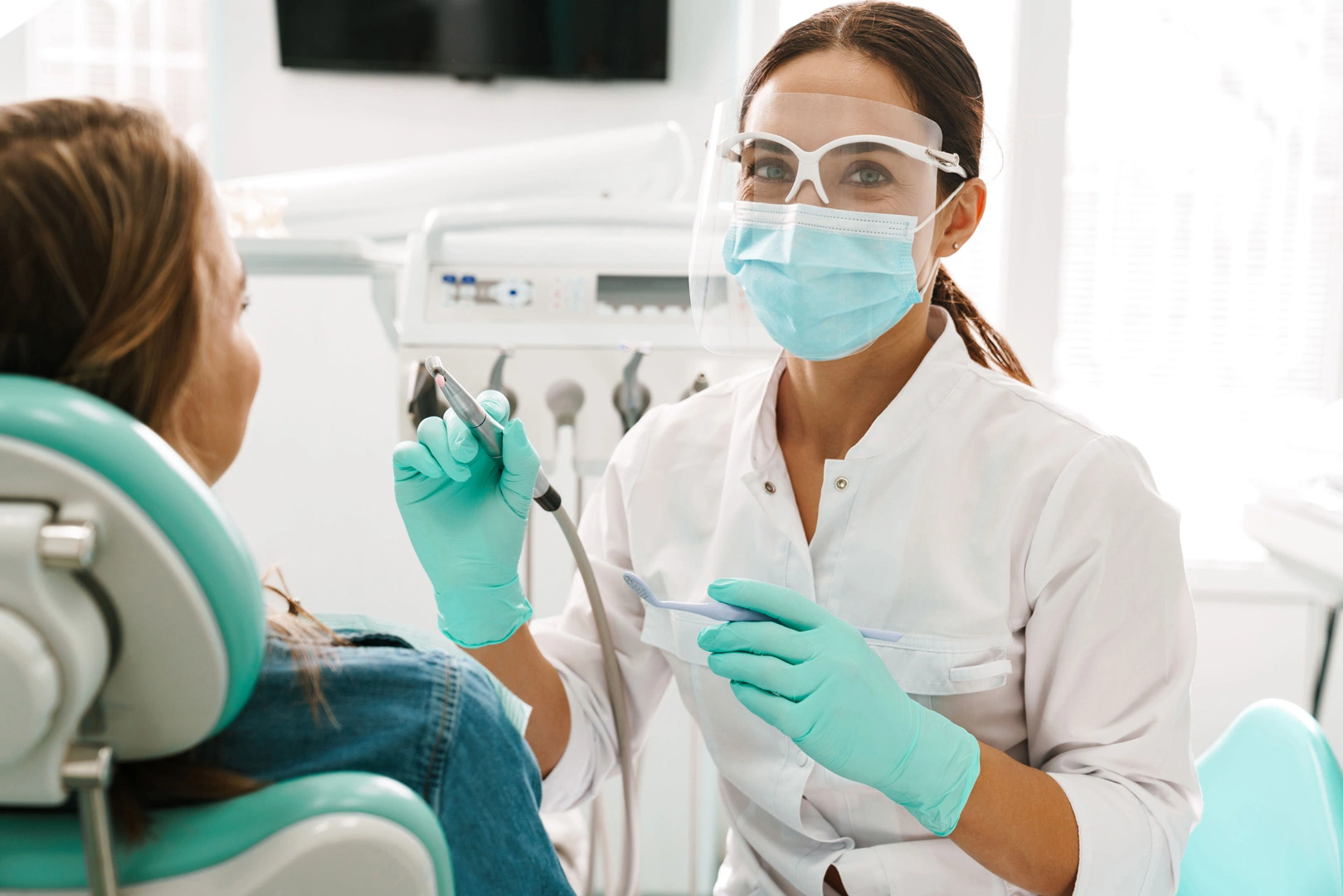
Strong oral health rarely comes from one dramatic fix. In practice, it usually reflects dozens of ordinary choices repeated over months and years, brushing before bed when you are tired, replacing a worn toothbrush instead of stretching it another season, booking a cleaning before discomfort turns into a problem visit. A good general dentist sees this pattern every day. The healthiest mouths are not always attached to people with perfect routines, but they are usually attached to people who respond early, stay consistent, and understand what matters most.
That is especially true for families trying to balance work, school, sports, medications, stress, and changing diets. Oral health does not sit apart from daily life. It is woven into it. A child with frequent juice pouches, a shift worker who snacks through the night, a retiree with dry mouth from prescriptions, and a teenager wearing aligners all face different risks, even if they all brush twice a day.
If you are looking for guidance from a General Dentist Aurora residents can rely on, it helps to focus less on trends and more on practical habits that stand up to real life. The basics still matter, but the details matter too. Timing, technique, diet, saliva flow, stress, and follow-through all shape the condition of your teeth and gums.
What a general dentist actually watches for
Many patients think in simple categories: cavity or no cavity, cleaning or filling, pain or no pain. In the chair, the picture is broader. A general dentist looks at how your bite functions, whether your gums bleed too easily, whether old fillings are failing at the edges, whether enamel is wearing down, and whether habits are pushing small issues toward bigger ones.
A tiny area of demineralization near the gumline, for example, may not need a filling today. It may need better plaque control, fluoride exposure, less frequent sipping of acidic drinks, and a recheck in several months. Mild gum inflammation may not feel urgent to a patient, but it tells a story about biofilm buildup, cleaning technique, or missed areas around crowded teeth. Hairline fractures in back teeth can sit quietly for a long time, then turn into a painful weekend emergency after one hard bite on popcorn or ice.
This is where preventive care proves its value. Good dentistry is not simply treatment. It is pattern recognition. It is knowing when to intervene and when to monitor. It is understanding that the same symptom can have different causes in different people. Sensitivity might come from recession, grinding, whitening strips, decay, or a leaking restoration. Bad breath might relate to gum disease, dry mouth, tonsil stones, dietary habits, or neglected tongue cleaning.
The role of a General Dentist Aurora families trust is partly clinical and partly educational. The best visits are not lectures. They are practical conversations about what is actually getting in the way.
Daily habits that make the biggest difference
Most people do not need a complicated oral care system. They need a realistic one. The essentials sound familiar, but execution is where outcomes improve.
- Brush thoroughly twice a day with fluoride toothpaste, especially before bed.
- Clean between the teeth once a day with floss, picks, or interdental brushes that fit properly.
- Limit how often sugary or acidic foods and drinks contact the teeth.
- Drink water regularly, particularly after meals, coffee, sports drinks, or snacks.
- Keep routine exams and cleanings, even when nothing feels wrong.
The bedtime brushing session deserves special attention. It is the one people skip most often, and it is often the most important. Overnight, saliva flow drops. Saliva normally helps neutralize acids and clear debris. When the mouth is dry during sleep, plaque acids linger longer. Going to bed without cleaning the teeth is like leaving food residue on a countertop overnight and expecting it to improve by morning.
Technique matters at least as much as frequency. Rushed brushing often misses the gumline, the back molars, and the tongue-side surfaces of lower front teeth, where tartar loves to accumulate. Two full minutes is still a useful benchmark, though quality matters more than staring at a timer. A soft-bristled brush angled gently toward the gumline usually outperforms hard scrubbing, which can wear enamel and irritate the gums.
Interdental cleaning is another area where people give up too early. Traditional floss works well, but it is not the only valid tool. People with wider spaces may do better with interdental brushes. Those with bridges, implants, or orthodontic appliances may need threaders or water flossers. The best method is often the one a person can perform correctly and consistently.
Why sugar frequency matters more than people expect
Patients often ask whether one specific food is “bad for teeth.” The more useful question is how often the teeth are exposed to fermentable carbohydrates and acid. A dessert eaten with dinner can be less harmful than a sweet coffee sipped over two hours. A handful of crackers every hour can create more trouble than a single, balanced meal.
Each time plaque bacteria metabolize sugars, they produce acids that lower the pH at the tooth surface. Enamel can tolerate occasional acid exposure if there is enough recovery time. Trouble starts when the mouth remains in repeated acid cycles throughout the day. The teeth never get a proper break.
This is why grazing can be hard on enamel. It feels harmless because portions are small, but frequency keeps the mouth under attack. Granola bars, dried fruit, sweetened yogurt, flavored lattes, sports drinks, and even seemingly healthy smoothies can contribute, especially when they are consumed slowly or often.
That does not mean every snack is off limits. It means structure helps. Meals are usually easier on teeth than constant nibbling. Water between meals helps rinse and reset. Cheese, nuts, and crunchy vegetables can be friendlier choices than sticky, sugary snacks. If a person wants something acidic, such as citrus or sparkling water with flavoring, having it with food is generally easier on enamel than sipping it continuously.
The hidden impact of dry mouth
Dry mouth is one of the most underestimated risks in general dentistry. Patients often notice thirst or sticky lips, but many do not connect reduced saliva with an increase in cavities, bad breath, soreness, and difficulty wearing dentures. Saliva is not just moisture. It is part of the mouth’s defense system.
Medication is a common cause. Antidepressants, antihistamines, blood pressure medications, decongestants, and many other prescriptions can lower saliva flow. Mouth breathing, poorly controlled diabetes, autoimmune conditions, and certain cancer therapies can do the same. Even chronic stress can change oral conditions enough to make the mouth feel persistently dry.
When saliva drops, cavities can appear in unusual places, along the root surfaces near the gums, at the edges of old fillings, and on smooth surfaces that usually hold up well. Patients who went years without problems can suddenly face multiple new lesions in a short period.
Managing dry mouth is often about layering small supports. Frequent water intake helps, though it does not fully replace saliva. Sugar-free gum or lozenges with xylitol may stimulate flow in some people. Alcohol-based mouthrinses often make symptoms worse. High-fluoride products, prescription rinses, and shorter recall intervals may be appropriate in higher-risk cases. This is one reason personalized dental advice matters. The same home routine that works for one patient may not be enough for another.
Gums speak early, teeth often stay quiet
Pain gets attention. Bleeding gums should too. Gingivitis usually starts quietly, with puffiness, redness, and bleeding during brushing or flossing. Some patients stop cleaning those areas because they think the bleeding means they should leave the gums alone. In reality, the opposite is usually true. Unless there is another medical issue involved, bleeding gums often signal inflammation from plaque accumulation.
The encouraging part is that early gum disease is reversible. Better home care and professional cleaning can make a visible difference within weeks. The danger lies in letting it smolder. Untreated inflammation can progress to periodontitis, where the supporting bone is affected. At that stage, treatment becomes more involved, and the goal shifts from simple reversal to long-term control.
A patient may tell you, “My teeth don’t hurt, so I thought everything was fine.” Meanwhile, gum recession has exposed root surfaces, pockets have deepened around molars, and tartar has built up below the gumline. General dentists see this disconnect all the time. Teeth can look fairly normal in the mirror while the supporting tissues are struggling.
One practical sign worth noting at home is consistency. If one area always bleeds, traps food, or feels tender, it deserves attention. It could be a technique issue, but it could also indicate a rough filling edge, tartar buildup, crowding, or an early periodontal concern.
Grinding, clenching, and the damage patients miss
Tooth wear is not always about age. Some people in their thirties show more mechanical wear than others in their sixties. Night grinding, daytime clenching, stress, sleep issues, and bite patterns all contribute. The damage can be subtle at first, flattened chewing surfaces, small chips at the front teeth, tenderness in the jaw muscles, or a feeling of tightness on waking.
Acid erosion can make this worse. Enamel softened by acidic exposure is more vulnerable to mechanical wear. That combination, stress-driven clenching plus frequent energy drinks or citrus water, is common enough to be familiar in many practices.
Patients often think a cracked tooth will announce itself clearly. Sometimes it does. Sometimes it only gives brief pain when releasing a bite or chewing something fibrous. By the time symptoms become obvious, the crack may have extended enough to require more complex treatment.
A well-made night guard can be extremely useful, but only when it is properly indicated and fitted. Over-the-counter options may help some people, but they are not a universal solution. The more important point is to identify the pattern early. A General Dentist Aurora patients see regularly can compare photos, wear facets, and symptoms over time, which often reveals progression long before a patient General Dentist Aurora would notice it alone.
Children, teens, and changing risks at home
Pediatric and adolescent oral health creates its own rhythm. A six-year-old learning to brush independently has very different needs from a fourteen-year-old with braces and a sports schedule. Parents often assume that once a child can physically hold a toothbrush, supervision is no longer needed. In reality, brushing well is a fine motor skill, and many children need help longer than expected.
Molars deserve close attention. Their grooves retain plaque easily, and because they sit farther back, they are often brushed quickly and poorly. Sealants can be valuable for some children, especially when deep grooves and cavity risk line up. Fluoride exposure matters too, but not all children receive the same amount depending on toothpaste use, drinking water, and overall habits.
Teenagers bring another layer of complexity. Sports drinks, frequent snacking, inconsistent hygiene, and orthodontic appliances are a challenging mix. Clear aligners can also create issues if patients snack with them in or fail to brush before reinsertion. The appliance itself is not the problem. The routine around it is.
One small but important point for parents is to watch the clock after nighttime brushing. If a child brushes well, then heads to bed with milk, juice, or a sweet snack, the benefit of brushing is largely lost. This is one of those everyday details that makes a measurable difference.
The value of routine visits when nothing hurts
One of the strongest arguments for regular exams is that dental disease often advances quietly. Early cavities usually do not hurt. Failing fillings can sit unnoticed. Gum disease can progress with little pain. Oral cancer screening findings, bite changes, recession, and wear are all easier to manage when they are caught early.
This does not mean every patient needs the same schedule. Six months is common, but risk level matters. Someone with excellent home care, low decay history, stable gums, and no major restorations may not need the same maintenance pattern as a person with dry mouth, a history of frequent cavities, and several crowns. The right interval should reflect actual risk, not just habit.
Professional cleanings also do something home care cannot fully replicate. Even diligent brushers miss areas, and hardened calculus cannot be brushed away. Hygienists and dentists can remove buildup, monitor tissue changes, and reinforce small technique adjustments that prevent larger problems later.
A patient who comes in regularly may need a minor filling and a polishing adjustment. A patient who waits several years may need root planing, crowns, extractions, or treatment for pain that could have been avoided. That is not fear-based messaging. It is simply the pattern many clinics see.
Sensitivity is common, but not all sensitivity is the same
Cold sensitivity after whitening is different from sensitivity caused by recession, and both differ from the sharp bite pain of a cracked cusp. Patients often use one word, “sensitive,” to describe many experiences. The details matter.
When sensitivity is generalized and brief, worn enamel, gum recession, aggressive brushing, or whitening products may be involved. Desensitizing toothpaste can help, but only if used consistently for several weeks. When sensitivity is isolated to one tooth, especially if it lingers or worsens with pressure, the cause may be more specific and may need treatment rather than a product change.
Temperature habits matter too. Very cold drinks, frequent acidic beverages, and immediate brushing after acidic intake can aggravate exposed dentin. It is usually better to rinse with water and wait a bit before brushing if the mouth has just been exposed to something acidic. That gives the enamel surface a chance to recover.
General dentists spend a fair amount of time sorting through these distinctions because treatment depends on cause. Some teeth benefit from fluoride varnish or desensitizing agents. Others need a bite adjustment, a bonding repair, or more extensive restorative care.
How to get more out of your dental appointments
Patients who get the best results from routine care tend to share useful specifics. They do not just say, “My teeth are fine,” or “Something feels weird.” They describe timing, triggers, and patterns. That level of detail helps the dentist narrow down likely causes much faster.
If you want your visit to be more productive, a short mental checklist helps:
- Note whether symptoms happen with cold, sweets, chewing, or spontaneously.
- Bring an updated medication list, including dry-mouth-causing prescriptions.
- Mention changes in grinding, stress, sleep, or headaches.
- Say if you avoid chewing on one side or if floss catches in one spot.
- Ask which single home-care change would help you most right now.
That last question is especially useful because many patients leave with too much generic advice. Most do better with one targeted adjustment than with five recommendations they cannot sustain. For one person, the right next step is interdental brushes around lower molars. For another, it is replacing constant sports drinks with water between meals. For another, it is booking periodontal maintenance more consistently.
Choosing practical over perfect
Perfection is not the standard that keeps mouths healthy. Practical consistency is. A patient with an electric toothbrush, fluoride toothpaste, and a realistic nightly routine often does better than someone who buys expensive products but uses them irregularly. Fancy tools cannot overcome inconsistency, and they are not always necessary.
That principle is worth remembering because oral care marketing can make people feel as though they need a shelf full of products to avoid problems. Most do not. They need a routine built around risk. If decay is the main concern, focus on fluoride, sugar frequency, and recall intervals. If gum disease is the main concern, focus on plaque removal, technique, and maintenance. If wear and fractures are the issue, evaluate grinding patterns and bite forces.
A skilled General Dentist Aurora patients trust usually tries to simplify care, not complicate it. The goal is to make good habits easier to repeat. That might mean switching from floss to interdental brushes because the patient will actually use them. It might mean moving brushing earlier in the evening for a parent who falls asleep with the kids. It might mean keeping a second toothbrush at work for aligner care. Small systems beat good intentions.
What excellent oral health looks like in real life
Excellent oral health is not a mouth that has never needed a filling. It is a mouth that functions comfortably, stays stable, and is cared for with attention and common sense. It means gums that are generally healthy, teeth that are cleanable, habits that support long-term maintenance, and problems that are addressed before they become crises.
There is also a quality-of-life piece to this that patients often appreciate only after they regain it. Being able to chew comfortably, smile without self-consciousness, travel without worrying about a flare-up, and drink something cold without bracing for pain, these are ordinary benefits, but they matter.
If there is one theme that emerges from years of general dental care, it is this: small decisions compound. The mouth remembers routine. It responds to neglect, but it also responds remarkably well to better care when that care is timely and consistent. Strong oral health is less about dramatic overhauls and more about sensible habits, honest assessment, and partnership with a dentist who understands the realities of everyday life.
Aspenwood Dental Associates and Colorado Dental Implant Center
Address: 2900 S Peoria St Ste C, Aurora, CO 80014
Phone number: +13037314037
FAQ About General Dentist Aurora
What is meant by general dentistry?
General dentistry refers to the primary, foundational tier of oral healthcare, focused on the prevention, diagnosis, and treatment of conditions affecting the teeth, gums, and jaw. General dentists serve as a patient's main, long-term dental care provider—much like a primary care physician.
What is general dentistry and orthodontics?
General dentistry and orthodontics are two specialized branches of dental care. General dentistry serves as your primary care for overall oral health, focusing on routine cleanings, fillings, and disease prevention. Orthodontics is a specialized field focused entirely on diagnosing and correcting misaligned teeth and jaw structures using braces or clear aligners.
What are type 3 dental services?
Type 3 dental services typically include major restorative treatments that repair or replace damaged or missing teeth. These services are more complex and costly than preventive or basic dental care. Common examples of type 3 dental services include: Dental crowns.
❧