September 22, 2026
Top Benefits of Seeing a General Dentist in Aurora Regularly
By @lanexhcc379

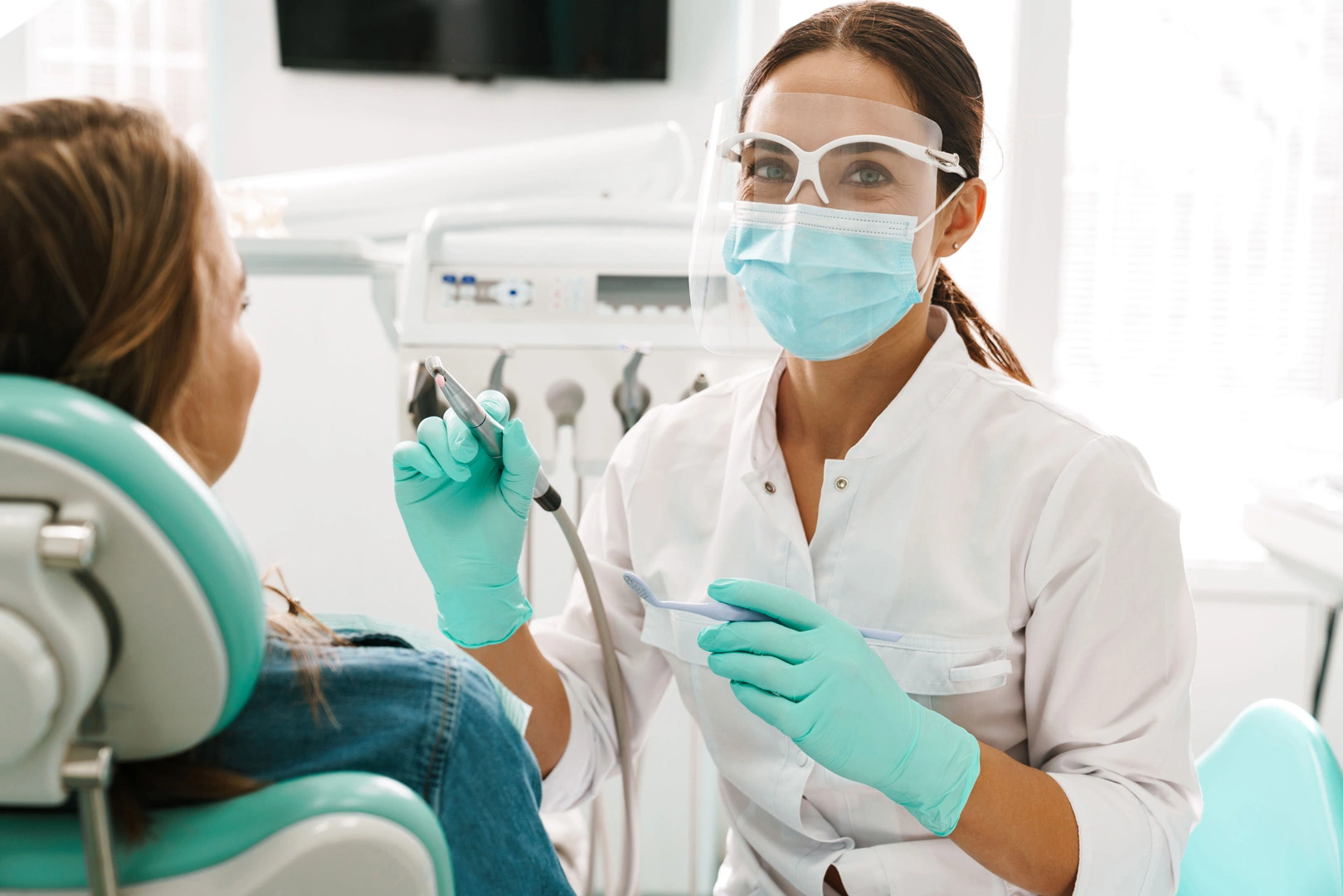
Most people do not think much about dentistry when nothing hurts. That is understandable. Daily life is busy, teeth seem fine, and a checkup can feel easy to postpone. Yet regular visits to a general dentist often make the difference between a small, manageable issue and a complicated, expensive one. In practice, the real value of routine dental care is rarely dramatic on a single day. It builds over time, quietly, through prevention, early detection, maintenance, and informed guidance that fits your specific habits and health history.
For families and working adults in Aurora, regular dental appointments also bring something less talked about but equally important: consistency. Seeing the same provider over the years creates a clinical baseline. A dentist who knows your gums, bite, restorations, enamel wear, and medical background can spot subtle changes much earlier than someone seeing you for the first time during an emergency. That continuity matters.
A good general dentist does far more than clean teeth or fill cavities. General dentistry is where most long-term oral health begins and is maintained. It is the setting where early signs are caught, where daily habits are corrected before damage sets in, and where patients receive practical care that keeps them out of more invasive treatment rooms. If you have been searching for a General Dentist Aurora residents can rely on year after year, it helps to understand what regular visits actually protect you from, and what they make possible.
Prevention is cheaper, easier, and less stressful than repair
This is the most obvious benefit, but it deserves a closer look because people often underestimate how quickly minor dental problems can escalate. A tiny cavity may not cause symptoms at first. Left alone for months or longer, it can deepen into the dentin, reach the nerve, and turn a small filling into a root canal and crown. The same pattern shows up with gum inflammation. What starts as mild gingivitis, often with slight bleeding during brushing, can progress to deeper periodontal problems if plaque and tartar are allowed to remain in place.
Routine checkups and cleanings interrupt that progression. Hygienists remove hardened deposits that brushing and flossing simply cannot. Dentists evaluate the areas patients tend to miss, such as margins around old fillings, grooves in back teeth, and spots near the gumline. These are not glamorous interventions, but they are effective. Many people are surprised to learn that regular maintenance often saves significant money over a period of years. A couple of preventive visits annually usually cost far less than emergency treatment, replacement restorations, or advanced periodontal care.
There is also the stress factor. Dental emergencies rarely happen at convenient times. A cracked molar before a work trip, swelling on a holiday weekend, or a crown that loosens right before a major event can create unnecessary disruption. Patients who keep up with regular visits tend to face fewer surprises because fragile restorations, bite stress, and developing decay are more likely to be spotted before they turn urgent.
Problems are caught when they are still small
One of the strongest arguments for regular dental care is early detection. Dentists are trained to identify changes that patients usually cannot see or feel. That includes early cavities, gum recession, enamel erosion, worn chewing surfaces from grinding, cracked teeth, suspicious soft tissue changes, and issues with existing dental work. A crown can look stable from the outside yet begin leaking at the edges. A tooth can have a hairline fracture that only shows up under certain lighting or pressure. The average person is not expected to notice these things.
Early treatment tends to preserve more natural tooth structure. That point matters. Once enamel and dentin are removed or damaged, they do not regenerate. The best dentistry, in many cases, is conservative dentistry, treating trouble while it is still limited. A small filling today may preserve the long-term strength of a tooth that could otherwise need much heavier restoration later.
This is particularly relevant for adults who had dental work years ago. Fillings, crowns, and bonding do not last forever. They wear, loosen, stain, or break down at the margins. Regular exams help extend the lifespan of that prior work by identifying maintenance needs at the right time, rather than after failure.
Gum health affects more than your smile
Patients often focus on cavities because they are familiar and easy to understand. Gum disease can be quieter and, in some cases, more destructive. Bleeding when brushing is often dismissed as normal. It is not. Persistent bleeding, tenderness, or chronic bad breath may signal inflammation that deserves attention. If periodontal disease advances, it can damage the supporting bone around the teeth. That is when teeth loosen, spacing changes, and treatment becomes more involved.
Regular visits to a general dentist create the opportunity to monitor gum pocket depths, tartar buildup, recession patterns, and inflammation trends over time. That trend line is valuable. A single visit offers a snapshot. Ongoing visits reveal whether home care is working, whether a patient is stable, and whether more active periodontal treatment is needed.
There is also a broader health context. Dentists do not diagnose every medical condition, nor should they claim to. Still, oral tissues can reflect systemic patterns. Dry mouth may relate to medications. Gum inflammation can be worsened by uncontrolled diabetes, smoking, or certain immune-related conditions. A seasoned clinician often notices when oral findings do not match a patient’s usual baseline and can encourage follow-up with a physician when appropriate.
You get care tailored to your habits, not generic advice
One underrated benefit of seeing the same dentist General Dentist Aurora regularly is personalization. Standard advice such as brush twice a day and floss daily is fine as a starting point, but it is too general to solve many real problems. Patients have different risks. Someone who drinks acidic sparkling water all day faces a different set of concerns than someone who clenches at night. A patient with crowded lower front teeth may need specific cleaning tools. A teenager with braces requires a different routine than a retiree managing dry mouth from prescription medications.
A General Dentist Aurora patients see consistently can refine recommendations based on what is actually happening in the mouth. If you are getting recurrent decay around old fillings, the conversation may focus on fluoride exposure, diet frequency, and seal integrity. If your teeth are wearing flat, a night guard discussion might matter more than another lecture about floss. If your gums improve after switching to an electric toothbrush and better technique, the plan can be adjusted accordingly.
That kind of advice feels different because it is based on evidence from your own mouth, not generic pamphlet language. It is also more likely to work.
Oral cancer screenings and soft tissue checks matter
A routine dental exam includes more than looking for cavities. Dentists evaluate the tongue, cheeks, gums, palate, and other oral tissues for changes that could indicate irritation, infection, or something more serious. Most findings are benign. People bite their cheeks, develop frictional spots, or react to appliances and sharp restorations. Even so, any persistent sore, red or white patch, unexplained lump, or area that does not heal deserves attention.
This is one of those benefits people tend not to appreciate until they hear a story from someone else. Many oral abnormalities are painless at first. Patients may not notice them at all, especially if the area is not easy to see in a mirror. Regular screenings provide another layer of vigilance. Dentists are not there to alarm patients over every minor variation, but they are trained to know what should be watched, what should be rechecked, and what should be referred.
Cleanings do more than polish your smile
Professional cleanings have cosmetic value, certainly. Stains from coffee, tea, red wine, or tobacco often improve after a hygiene visit. But the true benefit is biological. Plaque is soft and removable at home when habits are consistent. Once it mineralizes into tartar, it adheres much more stubbornly to tooth surfaces. That rough buildup traps more bacteria and irritates the gums. No amount of extra brushing at that stage will fully solve the problem.
Regular cleanings reset the environment. They remove buildup from places people commonly miss, reduce inflammatory burden, and help patients start fresh with cleaner surfaces that are easier to maintain. For some people, twice-yearly cleanings are enough. Others need more frequent visits, especially if they have a history of periodontal disease, heavy tartar formation, smoking, diabetes, or dexterity issues that make home care difficult. Good general dentistry adapts to the patient in front of you rather than forcing every mouth into the same schedule.
Regular visits help preserve dental work you already paid for
Crowns, bridges, fillings, veneers, implants, and dentures all benefit from maintenance. Patients sometimes assume that once a tooth has been restored, it is taken care of permanently. That is not how dentistry works in the real world. Restorations live in a tough environment. They handle chewing forces, temperature changes, bacterial exposure, and daily wear. Cement can weaken. Edges can stain. Bite pressure can create small chips or cracks. Gum recession can expose vulnerable areas around otherwise solid work.
Routine exams are partly about protecting that investment. A crown that needs a minor adjustment can often keep functioning for years. A filling with a small margin defect can be monitored or repaired before decay spreads. An implant can remain healthy longer when surrounding tissues are checked consistently. Dentures fit changes over time as gums and bone remodel. Catching fit issues early can prevent sore spots and functional problems.
From a financial standpoint, this matters a great deal. Replacing failed dentistry is usually more expensive and more time-consuming than maintaining work that still has serviceable General Dentist Aurora life left in it.
Children, teens, adults, and seniors all gain different advantages
Regular general dental care is not one-size-fits-all. The reasons for showing up change across life stages, and a capable practice adjusts its focus accordingly.
For children, visits help track eruption patterns, jaw development, hygiene habits, and early decay risk. A dentist can often spot small issues before they become more difficult or expensive to address. There is also a behavioral benefit. Kids who become familiar with the dental environment through routine, low-stress visits usually cope better if they ever need treatment later.
Teenagers often need attention around sports injuries, orthodontic hygiene, wisdom tooth monitoring, and diet patterns heavy in sports drinks or sugary snacks. Adults may be dealing with clenching, cosmetic concerns, old restorations, work-related stress, and inconsistent home routines. Older adults face their own mix of concerns, including dry mouth, root decay, medication effects, and maintenance of extensive prior dental work.
The point is not simply that everyone should go. It is that regular care creates age-appropriate opportunities to prevent problems before they become entrenched.
Dental anxiety often improves with consistency
Many people delay appointments because of fear, embarrassment, or bad past experiences. That hesitation is common, and it often worsens the problem it is trying to avoid. The longer someone stays away, the greater the chance that their next visit involves more treatment, more cost, and more discomfort. It becomes a cycle.
Regular appointments can break that cycle. Familiarity reduces uncertainty. Patients learn what to expect, build trust with the team, and have more control over timing and treatment decisions. Small interventions feel less overwhelming than major catch-up work. Even people with longstanding anxiety often find that predictable visits, clear communication, and a nonjudgmental dentist make a substantial difference over time.
In practical terms, these habits often help anxious patients stay on track:
- Schedule the next appointment before leaving the office, while the routine is still in motion.
- Choose morning visits if waiting all day tends to build tension.
- Tell the dental team exactly what you dislike, whether it is noise, injections, or feeling rushed.
- Ask for explanations in plain language so there are fewer surprises.
- Keep visits regular enough that each one feels familiar, not like starting over.
That is a short list, but it reflects what works in everyday practice. Anxiety rarely disappears because someone is told to relax. It improves when care becomes predictable.
Your bite, jaw, and habits deserve attention too
General dentistry is not limited to decay and gums. Routine visits often reveal patterns involving the bite, jaw joints, and parafunctional habits such as clenching or grinding. These issues can show up as flattened teeth, chipped edges, notches near the gumline, muscle soreness, tension headaches, or fractured restorations. Some patients notice pain. Others only learn they are grinding after a partner hears it at night or a dentist points out the wear.
Catching these signs early can prevent a lot of cumulative damage. The solution might be a night guard, selective adjustment, stress-related habit coaching, or simply observation over time. Not every worn tooth needs immediate intervention. Good judgment matters here. Some wear is slow and stable. Other cases are clearly accelerating and need protection sooner rather than later.
This is another example of why continuity helps. A dentist who has monitored your bite over several years can tell whether a small chip is an isolated event or part of a pattern.
Cosmetic improvements often begin with general dentistry
People usually separate health and appearance, but in dentistry they overlap. Cleaner teeth, healthier gums, and well-maintained restorations improve the look of a smile without any major cosmetic procedure. Even when a patient eventually wants whitening, bonding, or veneers, those choices rest on a stable foundation. It rarely makes sense to pursue cosmetic changes while active decay, inflamed gums, or unresolved bite problems are still present.
Patients are often surprised by how much better their smile looks after simple maintenance. Removing stain, repairing a small chip, replacing one dark filling on a front tooth, or treating gum inflammation can create a visible difference. General dentistry tends to handle the practical groundwork that makes larger aesthetic goals possible and more durable.
What regular care usually includes
Appointments vary based on age, risk, and current needs, but most routine visits include a mix of examination, hygiene care, imaging when indicated, and discussion. The exact timing is less important than staying engaged consistently enough to catch changes early. In many practices, regular visits help with:
- Detecting cavities, cracks, and failing restorations before symptoms become severe.
- Monitoring gum health and removing tartar that home care cannot eliminate.
- Evaluating oral tissues for abnormal changes that merit observation or referral.
- Tracking bite wear, jaw stress, and habits such as clenching or grinding.
- Updating preventive advice based on your medical history, diet, and hygiene patterns.
That is the practical core of it. Routine care is not flashy, but it is where most of the long-term value sits.
Choosing a local dentist you can actually stick with
The best dental plan is the one you can maintain. That sounds simple, but convenience plays a larger role than many patients admit. Location, scheduling, communication style, and office atmosphere all influence whether people keep their appointments. A highly qualified dentist who is impossible for you to visit regularly may not serve you as well as a very good local dentist with hours that fit your life and a team that makes follow-through easy.
For residents looking for a General Dentist Aurora offers several strong options, but consistency should be part of the decision. It helps to choose a practice where you feel comfortable asking questions, where treatment recommendations are explained clearly, and where preventive care is treated as more than a quick box to check. Over time, that relationship becomes part of your healthcare routine rather than an interruption to it.
Regular dental visits do not guarantee perfect teeth. Genetics, medications, trauma, diet, stress, and simple bad luck still play roles. What regular care does provide is a far better chance of staying ahead of problems, preserving natural teeth, protecting past dental work, and avoiding the cascade that begins when small issues go unnoticed. For most patients, that is the real benefit. Not perfection, but control.
Aspenwood Dental Associates and Colorado Dental Implant Center
Address: 2900 S Peoria St Ste C, Aurora, CO 80014
Phone number: +13037314037
FAQ About General Dentist Aurora
What is meant by general dentistry?
General dentistry refers to the primary, foundational tier of oral healthcare, focused on the prevention, diagnosis, and treatment of conditions affecting the teeth, gums, and jaw. General dentists serve as a patient's main, long-term dental care provider—much like a primary care physician.
What is general dentistry and orthodontics?
General dentistry and orthodontics are two specialized branches of dental care. General dentistry serves as your primary care for overall oral health, focusing on routine cleanings, fillings, and disease prevention. Orthodontics is a specialized field focused entirely on diagnosing and correcting misaligned teeth and jaw structures using braces or clear aligners.
What are type 3 dental services?
Type 3 dental services typically include major restorative treatments that repair or replace damaged or missing teeth. These services are more complex and costly than preventive or basic dental care. Common examples of type 3 dental services include: Dental crowns.
❧