November 17, 2026
When to Call for Dental Emergency Aurora Help Instead of Waiting
By @lanexhcc379
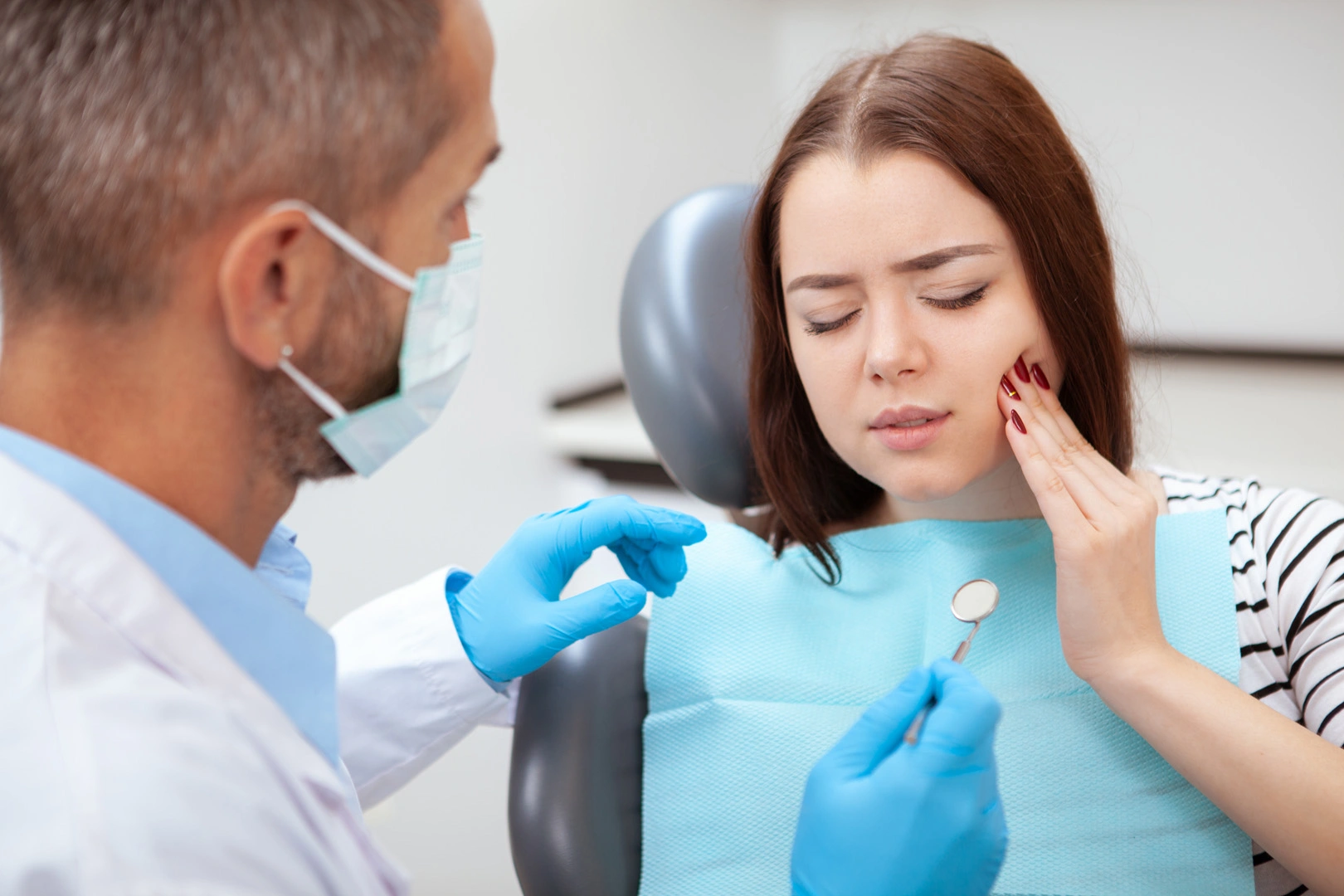
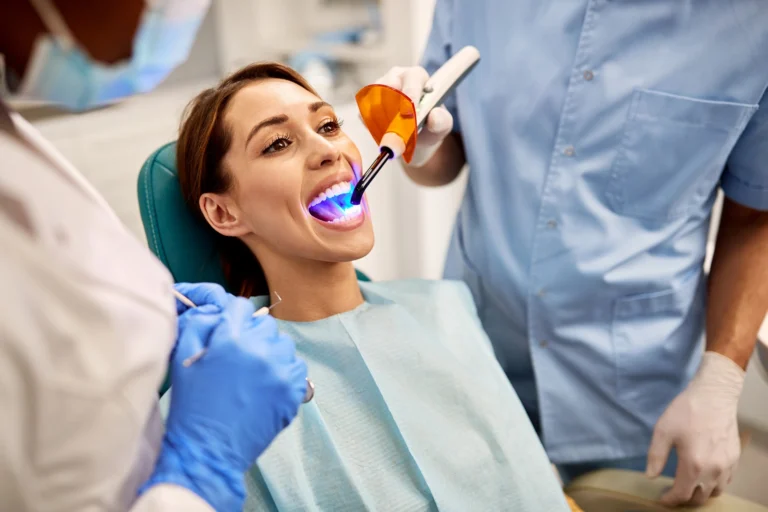
A surprising number of dental emergencies do not begin with dramatic pain. They start with something people talk themselves out of taking seriously, a tooth that feels a little high when they bite, a gum that looks puffy near one molar, a crown that came loose during dinner but does not hurt yet. By the time that same person decides to seek care, the problem is often larger, more painful, and more expensive to treat.
That is the real issue with waiting. Dental problems rarely stay still. Infection spreads. Cracks deepen. Swelling increases. A knocked-out tooth loses its best chance of survival by the minute. Even a small chip can turn into a sharp edge that cuts the tongue or exposes the tooth to more damage. Knowing when to call for Dental Emergency Aurora help can protect not only your comfort, but also the tooth itself.
The hard part is judgment. Not every problem needs a same-hour appointment, but some absolutely do. The line between urgent and non-urgent is not always obvious to someone sitting at home with an ice pack and a browser open. What helps is understanding how dentists think about urgency. We look at three things first: risk of infection, risk of permanent damage, and how quickly the problem is progressing.
The signs that should move you from “I’ll wait” to “I’m calling now”
Some dental issues can wait a day or two for a routine opening. Others need immediate attention the same day, and sometimes straight to an emergency room if breathing or swallowing is affected. The goal is not to overreact. It is to recognize the patterns that tend to get worse fast.
Here are the situations that deserve prompt attention:
- Significant swelling in the gums, jaw, cheek, or face, especially if it is growing, warm, or paired with fever
- A knocked-out adult tooth, a partially dislodged tooth, or a tooth shifted out of position after trauma
- Severe tooth pain that does not ease with over-the-counter medication, or pain that wakes you from sleep
- Bleeding that does not stop after steady pressure, or bleeding after an extraction that seems excessive
- Signs of infection such as bad taste from drainage, facial tenderness, fever, or difficulty opening the mouth
Each of these can point to a problem where time matters. Swelling is one of the clearest examples. A localized gum abscess is already uncomfortable, but swelling that starts spreading into the cheek or beneath the jaw is different. That is not just a sore tooth. That can become a deep infection, and deep infections in the head and neck deserve respect.
Severe pain also deserves context. Not every toothache means infection, but pain that throbs, radiates, or worsens when you lie down often means the inner nerve tissue is inflamed or infected. If the tooth has become so sensitive that cold lingers for minutes or heat triggers sharp pain, waiting often leads to a rougher night and a more complicated next day.
Trauma is another category where hesitation costs people good outcomes. If an adult tooth is knocked out, the best chance of saving it is usually within the first 30 minutes, though dentists can sometimes help beyond that window. The point is simple: do not wait to “see how it feels” tomorrow.
Why dental emergencies get worse so quickly
Teeth are small structures in a very active environment. You chew with them hundreds of times a day. They sit next to nerves, blood vessels, bone, and soft tissue. The mouth is also full of bacteria, normal bacteria, but bacteria that can exploit an opening quickly.
Take a cracked tooth. At first, it may only hurt when biting on something firm, like crusty bread or nuts. That is the stage people often ignore because the pain comes and goes. But pressure from chewing can drive the crack deeper. If it reaches the pulp, the nerve tissue inside the tooth can become inflamed, then infected. What might have been managed with a crown can drift toward root canal treatment, and in some cases extraction if the crack extends too far below the gum line.
Abscesses follow a similar pattern. Many start as a cavity or leaking filling that allows bacteria to enter the inner portion of the tooth. Early on, the pain may be brief or triggered by temperature. Later it can become constant, throbbing, and surprisingly intense. Once swelling begins, the body is fighting an infection in a tight space. Pressure builds. Sleep Dental Emergency Aurora gets difficult. The face may swell enough that family members notice before the patient does.
There is also a practical reason not to delay. Dental emergencies that are addressed early usually offer more treatment choices. A small fracture might be bonded. A loose crown may be recemented. A mild infection may be drained and stabilized before it spreads. Waiting narrows the options.
Problems people often underestimate
The most underestimated dental issue is not the dramatic broken tooth. It is the “not that bad” pain that keeps showing up. Intermittent tooth pain has a way of misleading people into thinking the problem is minor. In practice, on-and-off pain often means the tooth is trying to tell you something before it becomes relentless.
A lost filling is another one people shrug off. If the missing filling leaves a small hole but no pain, the temptation is to leave it alone for a week or two. That can be risky. Food packs into the area, the tooth may crack under pressure, and the exposed dentin can become extremely sensitive. A quick call often prevents a much larger repair.
A broken crown can also lull people into waiting, especially if the visible piece still looks mostly intact. Crowns fail in several ways. Sometimes the crown itself pops off cleanly. Sometimes the tooth structure underneath breaks. Those are not equivalent problems. If a crown is loose, repeatedly chewing on it can damage the underlying tooth and make it harder to save.
Then there is gum swelling. People often assume all gum pain is “just gum irritation.” Sometimes it is. Other times that puffy bump near the tooth is a draining fistula, a small path that lets infection escape from deeper tissues. The bump itself may not hurt much, but it can be the visible sign of a more serious issue underneath.
What can sometimes wait until the next regular appointment
Not every dental problem needs immediate same-day care. A small chip with no sensitivity, mild soreness after a recent adjustment, or a lost piece of orthodontic wax are examples that may be inconvenient rather than urgent. If pain is manageable, there is no swelling, and the tooth is stable, a next-day or soonest routine slot may be reasonable.
A dull ache after chewing something hard can also sometimes settle if the tooth is only bruised and not fractured. The key word is sometimes. If the pain escalates, if the tooth becomes temperature-sensitive, or if you cannot chew on that side by the next day, it has crossed into a more urgent category.
This is where phone triage matters. Good emergency dental teams ask focused questions because they are trying to separate discomfort from danger. They will want to know when it started, whether there is swelling, whether pain is constant or triggered, whether trauma occurred, whether the tooth is loose, and whether you have fever or trouble swallowing. That conversation often tells you more than an online symptom search ever will.
The difference between a dental office emergency and a hospital emergency
A dental office is usually the right place for tooth fractures, abscess-related pain, lost restorations, gum swelling, and many trauma cases. A hospital emergency room, however, becomes the better first stop if the situation affects your airway or suggests a broader medical risk.
If swelling is making it hard to breathe, swallow, or open your mouth, that is no longer a standard office problem. If you have uncontrolled bleeding after trauma, severe facial injury, confusion, or suspected jaw fracture, emergency medical evaluation comes first. The same is true for fever with rapidly spreading swelling or a patient who is medically vulnerable and deteriorating.
This distinction matters because some people delay both. They know something is wrong, but they are unsure where to go, so they do nothing. If you are deciding between calling your dentist and waiting, call. If your symptoms include breathing trouble or severe spreading infection, seek emergency medical care right away.
A common real-life scenario: the Friday afternoon toothache
One pattern shows up constantly. A person feels mild tooth sensitivity early in the week. By Friday afternoon it is more noticeable. They can still function, so they decide to get through the weekend. Saturday night the pain spikes. Sunday brings swelling. Monday becomes a scramble for urgent care, stronger treatment, and often several miserable nights that might have been avoided.
That pattern is not bad luck. It is how inflammation behaves in a closed space. The body can compensate for a while, then reach a tipping point. Once pressure builds inside the tooth or surrounding tissues, symptoms escalate fast. Experienced dental teams have seen this often enough that “it only started bothering me a little” does not sound reassuring. It sounds like a problem early enough to catch, if the person acts now.
What to do while you are waiting to be seen
Once you have called for Dental Emergency Aurora care and secured advice or an appointment, your next job is to avoid making the situation worse. Temporary self-care can help, but it should support proper treatment, not replace it.
Use these short-term steps carefully:
- Rinse gently with warm salt water if the area feels irritated or swollen
- Take over-the-counter pain relief as directed on the label, if it is safe for you medically
- Apply a cold compress to the outside of the face for swelling after trauma
- Keep a knocked-out tooth moist in milk or saliva and avoid scrubbing the root
- Avoid chewing on the affected side, and skip very hot, cold, hard, or sticky foods
There are also a few things worth avoiding. Do not put aspirin directly on the gum. It does not treat the source of pain and can burn the tissue. Do not keep repositioning a loose crown with household glue. Do not ignore swelling because an antibiotic from a previous illness seems to help a little. Infections need proper evaluation, and mismatched antibiotics can mask symptoms without solving the problem.
If a crown or filling falls out and you have no immediate access to a dentist, some pharmacies sell temporary dental material. That can be useful for protecting the area briefly, but think of it as a shield for a day or two, not a fix. The longer a temporary stays in place, the greater the risk that the tooth underneath deteriorates further.
Trauma changes the timeline
When teeth are injured in sports, falls, or car accidents, the clock speeds up. An impact can crack enamel, loosen roots, damage the nerve supply, or injure surrounding bone even when the tooth looks almost normal. That is why trauma deserves earlier assessment than many people expect.
A front tooth that is slightly pushed backward after a collision might not be extremely painful. It still needs urgent care. Repositioning and stabilization are often time-sensitive. A child with a chipped baby tooth may not always need the same treatment urgency as an adult with a knocked-out permanent tooth, but trauma in children still deserves a call because injury to a primary tooth can affect developing permanent teeth underneath.
Sports mouthguards reduce risk, but they do not eliminate it. In practice, many trauma cases come from ordinary household accidents: slipping in the bathroom, colliding with a countertop, a child’s head striking a parent’s mouth during play. People tend to associate dental emergencies with dramatic events, yet many urgent visits begin with very everyday mishaps.
Infection is the red line
If there is one category to respect without hesitation, it is infection. Dental infections can remain localized for a while, but they can also spread into spaces of the face and jaw where swelling becomes medically significant. Most dental abscesses do not become life-threatening, but the reason clinicians take them seriously is that a small number do, and there is no benefit in testing your luck.
A tooth infection may not begin with fever. Early signs can be subtle: tenderness when biting, a gum pimple, a foul taste, or pain that suddenly eases Dental Emergency Aurora after being severe. That last one surprises people. They assume the problem improved because the pain dropped, when in fact the pressure may have partially drained and the infection is still present. If a badly aching tooth suddenly stops hurting and swelling appears, that is not a reason to wait longer.
People with diabetes, compromised immune systems, recent major illness, or certain heart conditions need to be especially cautious. Their infections may progress differently, and delays can carry more risk. Pregnancy also changes decision-making. Dental infections and severe pain should not be brushed aside during pregnancy. Dentists can safely evaluate and manage many urgent problems with appropriate precautions.
Cost concerns are real, but delay can increase them
One reason people wait is financial uncertainty. That is understandable. No one wants an unexpected urgent bill. Still, from a practical standpoint, delay often increases total cost. A simple recementing appointment can become a crown replacement. A manageable cavity can turn into a root canal and crown. A tooth that might have been saved can move into extraction and replacement.
There is also the hidden cost of poor sleep, missed work, lost concentration, and the stress of trying to function while in pain. People tend to compare only treatment fees, but dental emergencies spill into the rest of life quickly. If you have ever tried to get through a workday with pulsating molar pain, you know it is not really possible.
A good office will usually help you understand urgency before you commit to treatment. That conversation matters. Ask what needs to be done today to stabilize the problem, what can wait, and what signs should prompt a faster return if symptoms change. Emergency care is often about staging treatment intelligently, not doing everything at once.
How to think clearly when you are unsure
If you are on the fence, ask yourself a few practical questions. Is the pain getting worse, not better? Is there swelling? Is the tooth broken, loose, or out of place? Are you having trouble sleeping, chewing, swallowing, or opening your mouth? Did trauma occur? If the answer to any of those is yes, calling for guidance is the safer move.
There is also value in noticing what your body is forcing you to change. If you are avoiding one side when chewing, taking pain medication around the clock, waking at night, or checking the mirror repeatedly because your face looks fuller, your body is telling you this is not a small nuisance.
Many patients worry about “bothering” the office if it turns out not to be serious. That concern is misplaced. Dental teams would much rather talk you through a problem early than see you three days later with severe swelling and a preventable escalation. Triage is part of the job.
The better rule: treat uncertainty early
The safest habit is not to diagnose yourself perfectly. It is to respond earlier when something clearly feels off. Dental problems reward prompt attention. Even when the final diagnosis is not dramatic, the peace of mind matters, and the simpler treatment path often does too.
Dental Emergency Aurora support exists for exactly this gray zone, the moments when waiting feels tempting but may not be wise. If pain is escalating, swelling is present, trauma has occurred, or a tooth has broken, loosened, or been knocked out, make the call. Fast action often means less pain, fewer complications, and a much better chance of saving the tooth.
Waiting rarely improves a true dental emergency. More often, it just gives the problem time to become one.
Aspenwood Dental Associates and Colorado Dental Implant Center
2900 S Peoria St Ste C, Aurora, CO 80014, United States
+1 303-731-4037
FAQ About Dental Emergency Aurora
What qualifies as a dental emergency?
A dental emergency is any oral injury or condition that involves severe pain, uncontrolled bleeding, or a potential infection that puts a tooth or your overall health at risk.
Can the ER do anything for a tooth?
AI Overview An emergency room (ER) cannot fix or pull a tooth, perform root canals, or provide long-term dental care, because most ERs do not have dentists on staff.
What is the 3-3-3 rule for tooth infection?
The 3-3-3 rule for a tooth infection or severe toothache is a short-term over-the-counter pain management strategy. It involves taking 600 mg of ibuprofen (typically three 200 mg tablets) 3 times a day for no more than 3 days.
❧